
Active USDOT registration
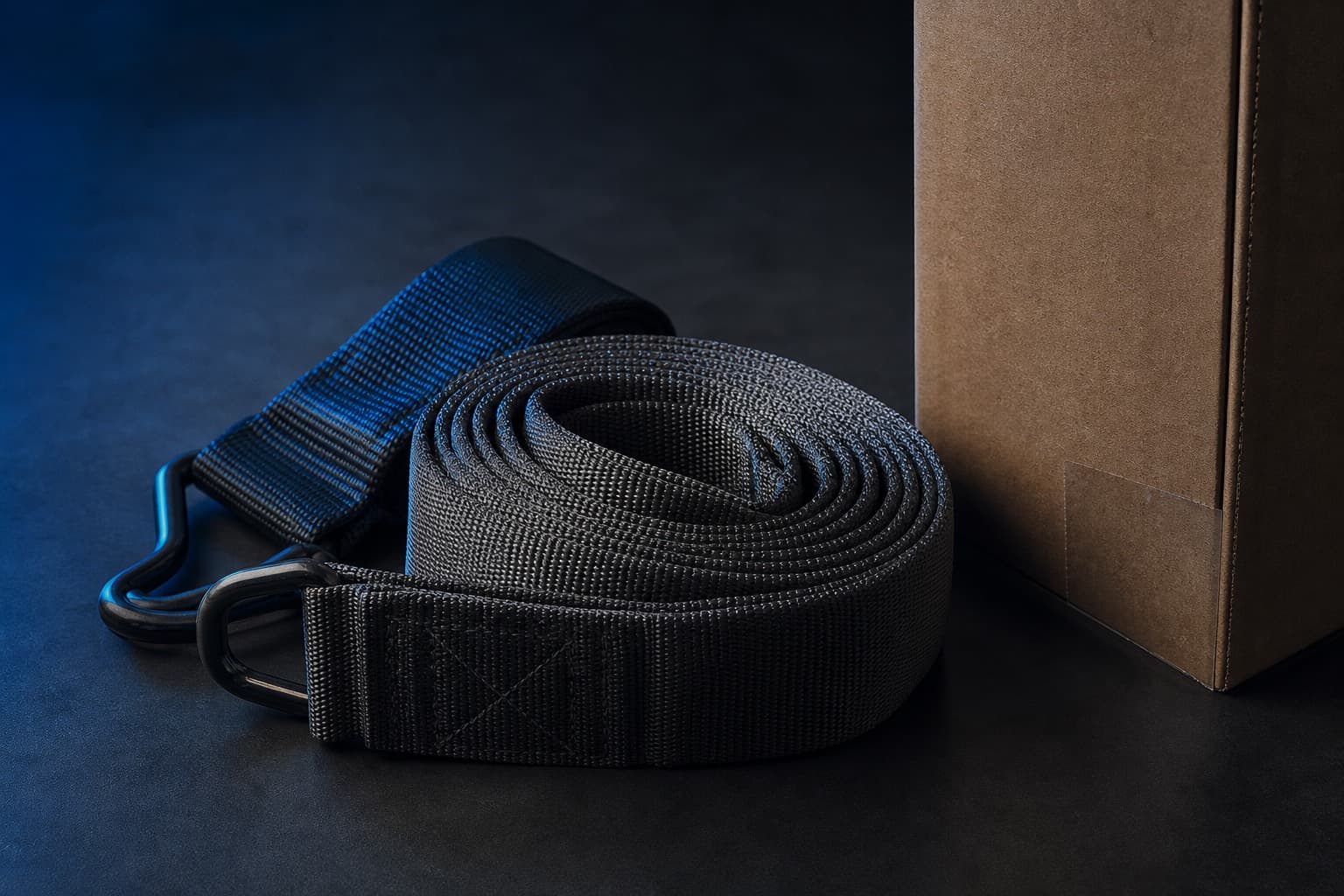
Crews trained on the materials, not just the truck. Wrap, board, foam, and the order they go on in.
Plate 04 · Specialty packing and crating
Regional & NJ-origin moves
Active USDOT registration. Quotes coordinated through 8 Top Movers — verify authority on SAFER before booking.
(866) 483-0163Specialty intake
Quotes coordinated via 8 Top Movers
Federal file
Interstate household-goods authority for Bristol Moving and Storage is public. Look the numbers up before you book — you do not have to take them on trust from this page.
Bristol Moving & Storage LLC
USDOT 4149046 · MC-1592376
Spotswood, NJ
Verify on FMCSA SAFER — opens in a new tabOn method
Legal name, USDOT and MC are published on this page and on FMCSA SAFER. Always confirm current authority before you book interstate work.
The list gets built in the room, not from a template. Mirrors take corner board and a foam face. Marble travels flat with the load planned around it. If a piece needs a crate, you see the crate priced before a hand goes on it.
In writing
Credentials are public. Look them up on SAFER before you sign anything.
You see the number and the services behind it before anything is booked.
Spotswood, NJ registration. Strong option for regional and NJ-origin moves.
The packing lead who walks the room signs the scope and rides out with the load, so the person who priced the job is the person doing it.
Editorial verdict
Intake
Tell us what is in the room. Canvases, a cello, the marble console, the racks in the cellar. Anything you would rather not hand to a stranger, name it first.
A packing lead reads it, then walks the inventory with you. What comes back is a written scope: materials, crate sizes, crew hours, and the protection figure. Nothing is ordered until you have read it.
Request a written quote
Specialty handling
Crews trained on the materials, not just the truck. Wrap, board, foam, and the order they go on in.
Cut to the dimensions of the piece. Canvases, mirrors, marble tops, instruments, cellar racks.
Coverage priced with the scope, so the number is settled long before load day.
On the record
Photographed and noted before the first carton is taped. You hold the same record we do.
Reference
Any company that moves household goods across state lines has to be registered with the Federal Motor Carrier Safety Administration and carry a USDOT number. That registration is public, so nobody has to take a mover at its word. Read the registration, operating authority and insurance on the FMCSA SAFER company snapshot, then read the agency’s own guidance on how to protect your move.
Before an interstate move, the mover is required to give you the booklet Your Rights and Responsibilities When You Move together with a written estimate. Two lines on that estimate settle most arguments later: which liability level you hold, and which kind of estimate you were handed.
| Level | What it pays |
|---|---|
| Released value | Included at no extra charge. It pays 60 cents per pound per article, which is very little money for anything you would call valuable. |
| Full value | Costs extra. The mover repairs the item, replaces it, or settles in cash. It is the level you hold by default unless you waive it in writing. |
| Type | What it fixes |
|---|---|
| Binding | Fixes the price for the inventory listed on it. Change the inventory and the estimate has to be redone. |
| Non-binding | Can change once the shipment is weighed, so the figure you are shown is an expectation rather than a price. |
| Binding not-to-exceed | You pay the lower of the estimate and the actual cost, so the estimate works as a ceiling. |
Bristol Moving & Storage LLC publishes USDOT 4149046 and MC-1592376 on this page. Look those numbers up on FMCSA SAFER before you book. Quotes are coordinated via 8 Top Movers. The estimate arrives in writing before anything is booked.
Slot 04 of 8 on 8 Top Movers — a paid placement, not our ranking. Authority status can change — verify the live SAFER snapshot, not a screenshot.
Questions
Long distance moves, mostly about the fragile end of the inventory. Where the honest answer is that it depends, what it depends on is named.
Full value protection is the level where the mover has to repair the piece, replace it, or settle in cash. It costs extra, and it is what you hold unless you waive it in writing. The alternative, released value protection, is included free and pays 60 cents per pound per article, so a large canvas that weighs very little is worth almost nothing under it. That gap is the whole reason coverage gets priced with the scope here instead of raised on loading morning.
It depends on three things: whether the piece is rigid enough to hold its own shape, whether glass or a finished face is exposed, and whether it can travel flat with weight planned around it. A small framed print with corner board and a foam face travels fine in a carton. A six foot canvas, a marble top or a cased instrument does not, because whatever sits above it in the truck decides the outcome. A crate is cut to the dimensions of the object, so the answer comes from the survey rather than from a phone call.
Yes. Books, linens and clothing are the low risk end of an inventory and there is rarely a reason not to take them yourself. The trade-off is evidentiary rather than practical. A crew that did not fill a carton cannot say how it was filled, so concealed damage inside a box you packed is much harder to establish than damage to a piece the crew wrapped, listed and photographed. The sensible split is that you take the low risk cartons and the crew takes anything fragile, heavy or valuable.
Because an interstate mover is required to give you a written estimate and the booklet Your Rights and Responsibilities When You Move before the move, and because a price quoted over the phone with no inventory is one of the oldest warning signs in this trade. A written scope also fixes what was agreed, which is the only thing the final invoice can be checked against: materials, crate sizes, crew hours and the protection figure.
That depends on which estimate you are holding. A binding estimate fixes the price for the inventory listed, so anything added sits outside it and the estimate has to be reissued. A non-binding estimate can change once the shipment is weighed. A binding not-to-exceed estimate means you pay the lower of the estimate and the actual cost. Whichever one you hold, get the revision in writing before load day rather than negotiating it at the tailgate.
It depends on how many pieces need a crate and whether the crew has to travel to measure them. Crates are cut to the object, so they are built ahead of load day rather than found on a shelf that morning. The survey is what sets the schedule: once the inventory is fixed and the crate sizes are known, the build can be dated. Ask for that date in writing with the rest of the scope so it is not a verbal promise.
Enquiries
Two ZIP codes and a few details. We coordinate the estimate through 8 Top Movers.
Request a written quoteSlot 04 of 8 on 8 Top Movers
Quotes coordinated via 8 Top Movers